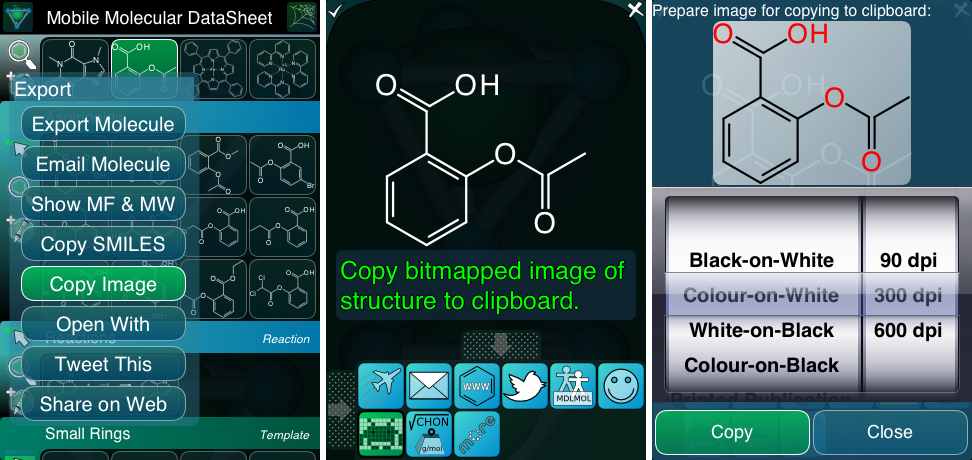
 This one has been on the to-do list for a long time, but for some reason never quite bubbled up to the top. Various apps, including the Mobile Molecular DataSheet, allow images of structures (or reactions) to be transferred onto the iOS clipboard, and from there pasted into other apps, like Keynote or Pages. Continue reading
MMDS
Structure-property calculation with MMDS
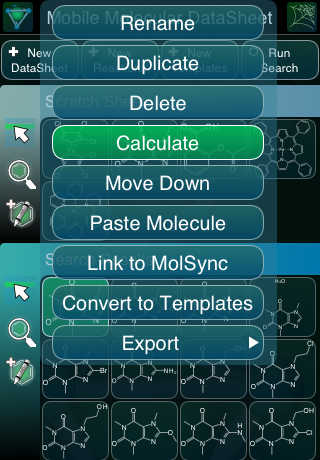 Version 1.4.1 of the Mobile Molecular DataSheet (MMDS) has just been submitted to the iTunes AppStore, and its notable new feature is the ability to select a datasheet and calculate structure-based properties. A new column is created for each selected property, and the calculation feature is applied to each row. The available properties currently include molecular weight/formula, log P, molar refractivity and topological polar surface area. The functionality is provided by the molsync.com webservice. Continue reading
Feature preview: integrated searching within apps
 Currently there’s a new feature in the works that’s going to make searching for compounds more convenient. The internal name is “MetaSearch”, because it’s a webservice that layers itself on top of existing search engines, and pulls together the best content from each of them and does a variety of additional processing.
As can be seen from the collage to the right, the new feature will first be made available in the Mobile Molecular DataSheet app for iOS, and will appear in the version 1.4 release. Continue reading
ChemSpider Mobile app goes both ways: now includes Android
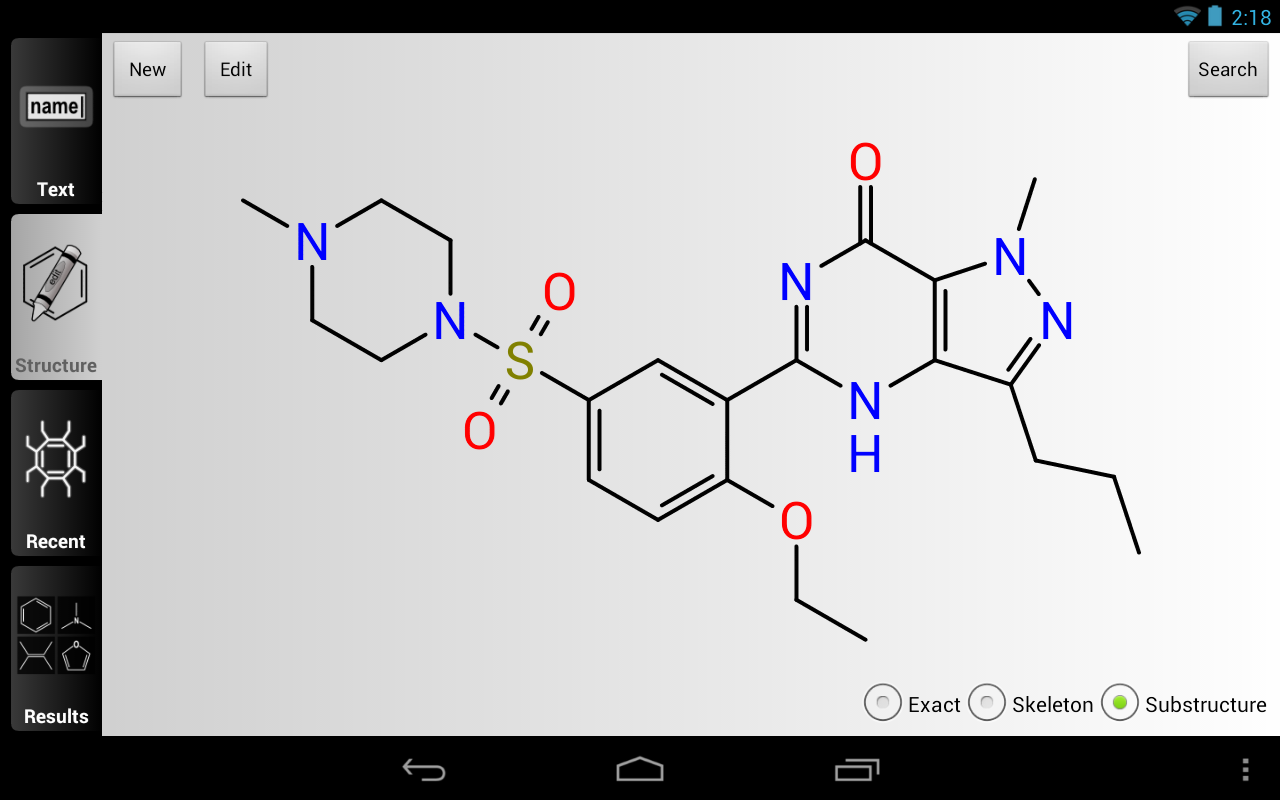 The ChemSpider Mobile app is now available for Android, and can be downloaded for free on Google Play. It should work well on just about any Android-based phone or tablet that has access to Google’s storefront, and it is built against a version of the operating system (2.3.3) that not only includes most official Android devices, but also can potentially be adapted to run on other platforms, such as Amazon Kindle of BlackBerry 10. Continue reading
CINF webinar ‘Practical cheminformatics workflows with mobile apps’ now available
Check out the webinar now on YouTube. The talk consists of me doing a brief introduction to mobile chemistry apps, then going through a fictional, yet realistic, workflow example that involves searching for new tuberculosis drug candidates. The workflow includes a tour through several of the apps that I’ve created, or had a hand in creating. But enough spoilers, watch the video whenever you’re ready.
Multistep reaction rendering
 The Mobile Molecular DataSheet (MMDS) app has provided the ability to draw chemical reactions for some time now. Soon it will be possible to output them as multistep sequences, rather than discrete units. Continue reading
Say hello to Android!
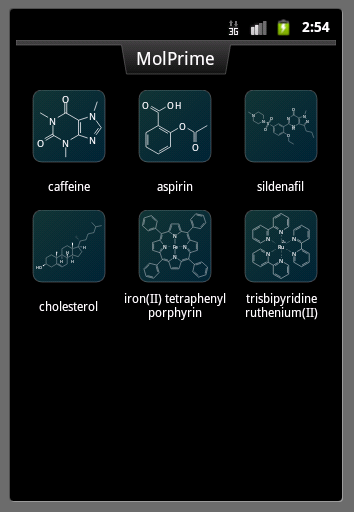
As the screen capture to the right suggests, Molecular Materials Informatics has gotten out the sonic screwdriver and started porting mobile chemistry tools to the Android platform. Work has begun on porting MolPrime – currently only available for iOS – to Android. Before any Android users get too excited, though, this is just an early preview – it doesn’t do much, and there is no estimated completion time as yet. But if you keep reading this blog, you will get regular progress updates. Continue reading
Tweeting chemistry from mobile apps: one less step
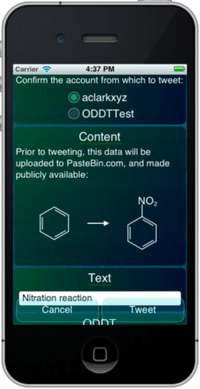
A new feature will be making its way to the Mobile Molecular DataSheet, and other apps, soon: tweeting out chemical data (molecules, reactions, datasheets) without having to login to a repository for storing the source data. All that’s required is authorisation of your Twitter account, as configured within iOS.
To see a preview of how it works, click on the image to the right, to watch a short screencast.
UI tweaks: corner tabs and general configuration settings
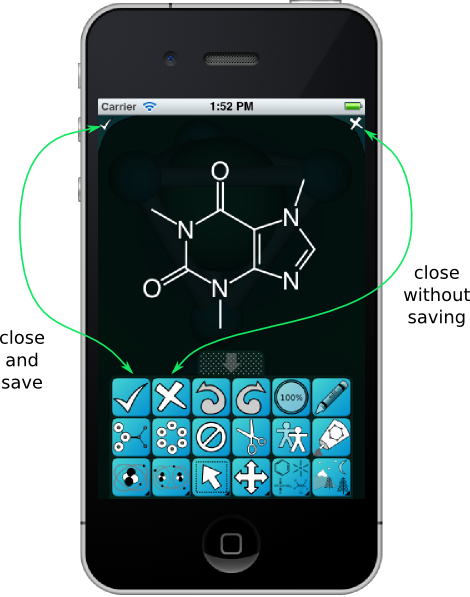 The editor panels for the MMDS app (structures, reactions and datasheets) have been augmented to include new buttons along the top corners, which can be used to close the editor. These are analogous to buttons in the main bank for close and save and close without saving. This addresses a minor but persistent inconvenience: previously, the main command bank had to be open in order to exit from any of the editor panels. Continue reading
Encapsulated PostScript (EPS) graphics from mobile or web
The remote procedure calls provided by molsync.com now allow the creation of publication quality graphics in a number of formats. The list has been extended to include Encapsulated PostScript (EPS), which can be generated using the web interface, or from the next version of the Mobile Molecular DataSheet (currently awaiting review).
 Cheminformatics 2.0