Filling out content for an electronic lab notebook (ELN) is one of the main high value workflows for reaction drawing. This includes drawing the outline of a reaction that is to be performed in the lab and writing up experiments that have been completed. Either way having the reaction scheme as complete as possible, viewable by chemists and meaningful to digital archives, is important.
Continue readingMonth: May 2025
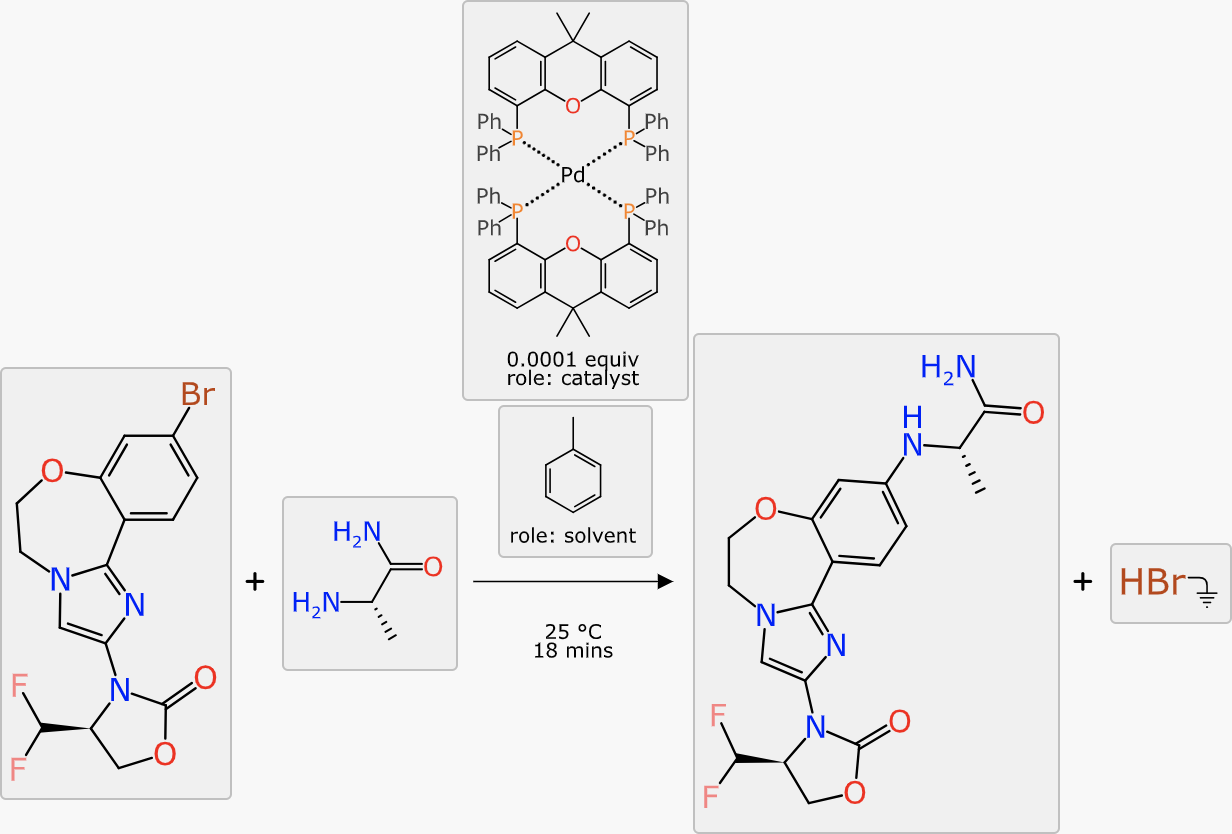
Reaction Prediction Models: Chapter 12 – Synthesis Planning Markup
There are a number of capable synthesis planning tools available to chemists. A retrosynthesis algorithm usually returns the barebones reactant/product pair for each step, which leaves plenty of work to do before the experiment is ready for the lab. Reaction prediction tools can help get these suggestions closer to a proposed experiment.
Continue readingReaction Prediction Models: Chapter 11 – Exporting Graphics
The reaction editor described in these articles can read & write a number of different formats, which means it does not exist in isolation. Reactions can be exported using informatics formats or as publication-ready presentation graphics.
Continue readingReaction Prediction Models: Chapter 10 – Training Data
The technology described in these articles is based on models that were built using a custom training set, or in the case of procedural algorithms, validated using that same content. The training set is unusual and proprietary, as it has been curated to a very high degree of completion and accuracy relative to any other available reaction data.
Continue reading

