Prediction models for proposing and ranking catalysts and solvents are all very well, but some predictions are more reliable than others. Coming up with some kind of metric for evaluating the difference is a major improvement to utility.
Continue readingtechnology
Reaction Prediction Models: Chapter 2 – Solvents
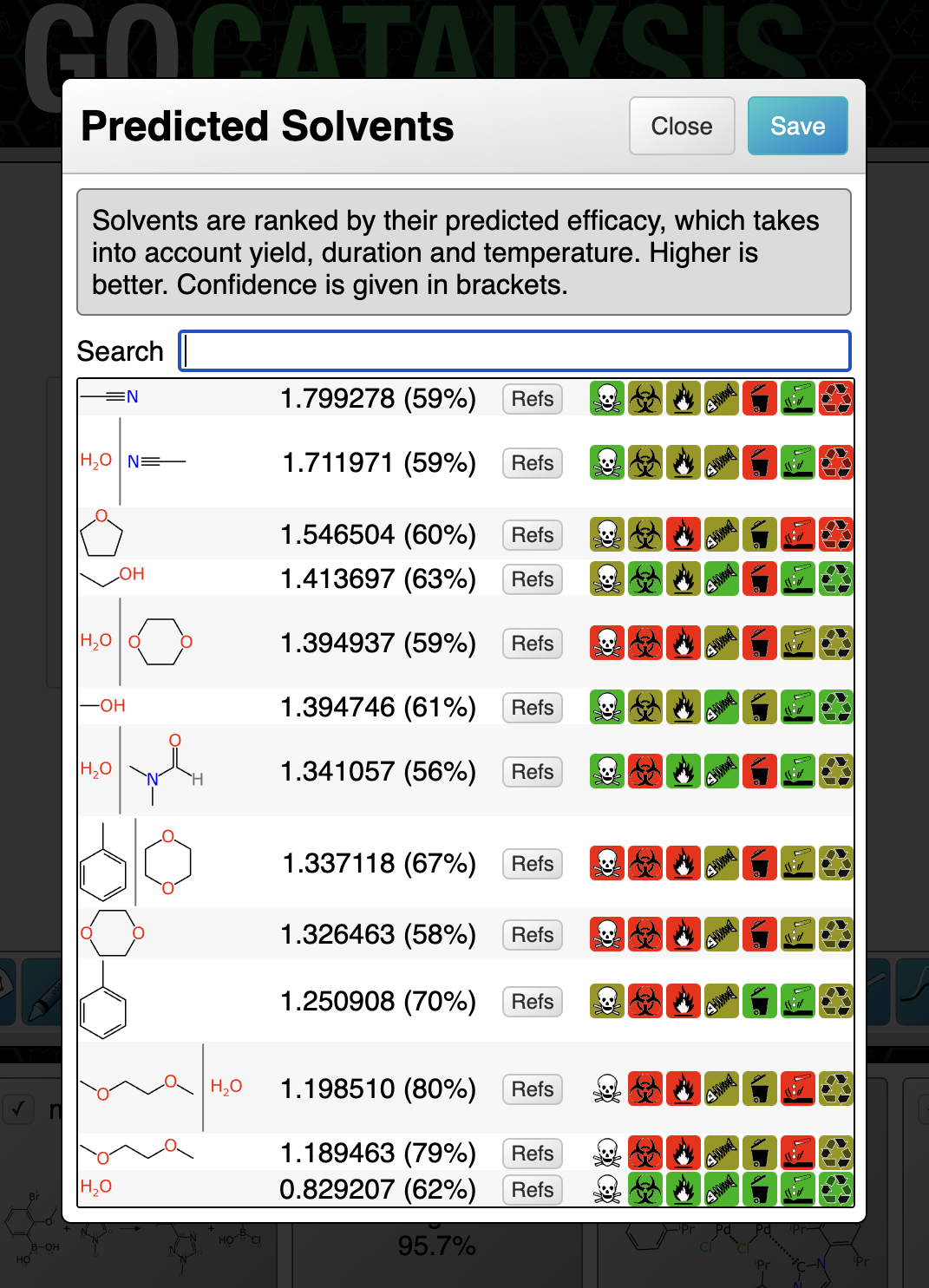
In this chapter we will explore models that can propose and rank solvents for a partially specified reaction. The methodology uses graph-based deep learning models trained on a moderate sized corpus of very well curated reactions with each of the solvents represented as a chemical structure.
Continue readingReaction Prediction Models: Chapter 1 – Catalysts
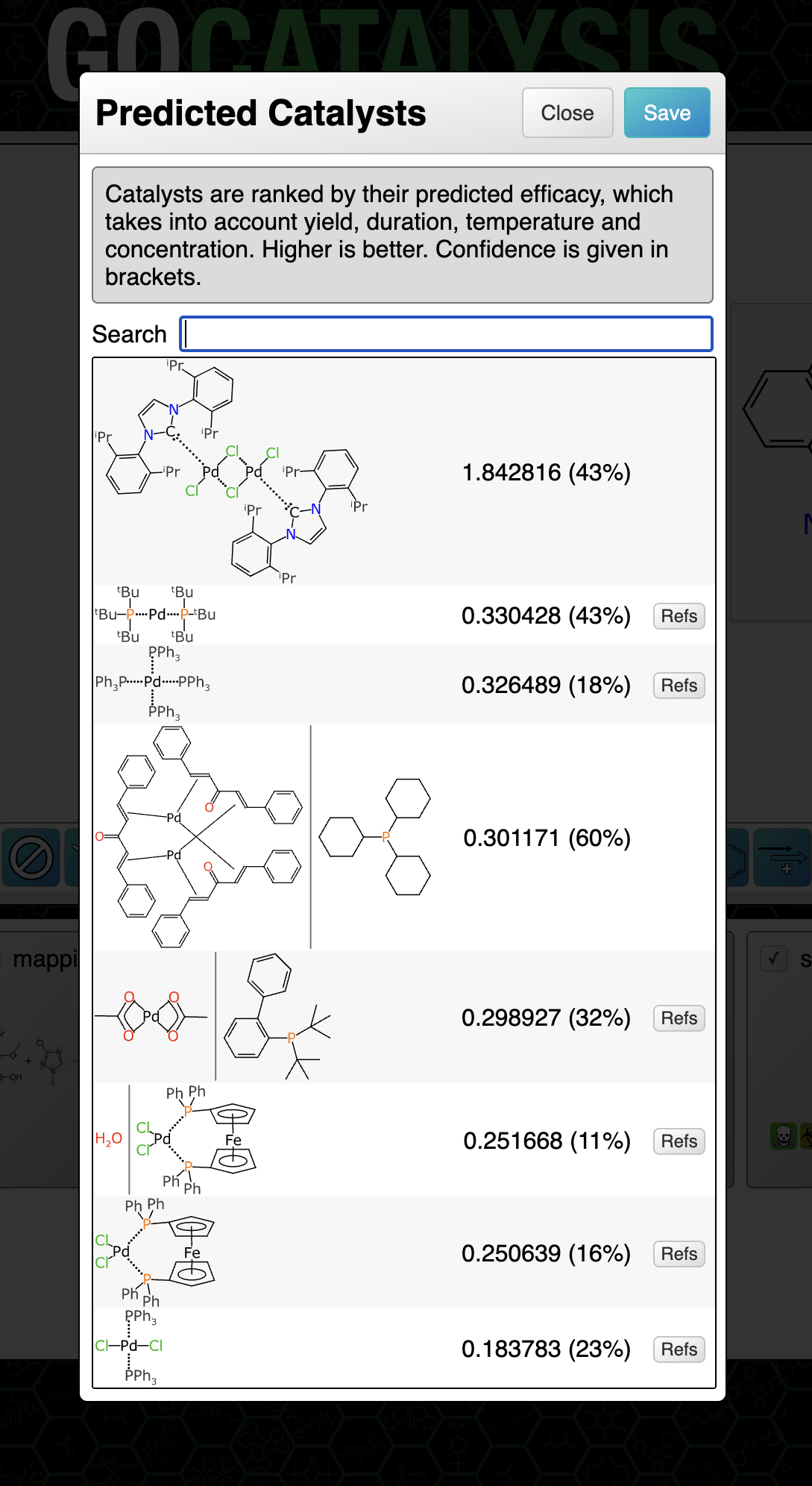
In this chapter we will explore models that can propose and rank catalysts for a given reaction transform. The methodology uses graph-based deep learning models trained on a moderate sized corpus of very well curated reactions, each of which has the catalyst molecule (or set of molecules) drawn with a chemically meaningful structure.
Continue readingReaction Prediction Models: Chapter 0
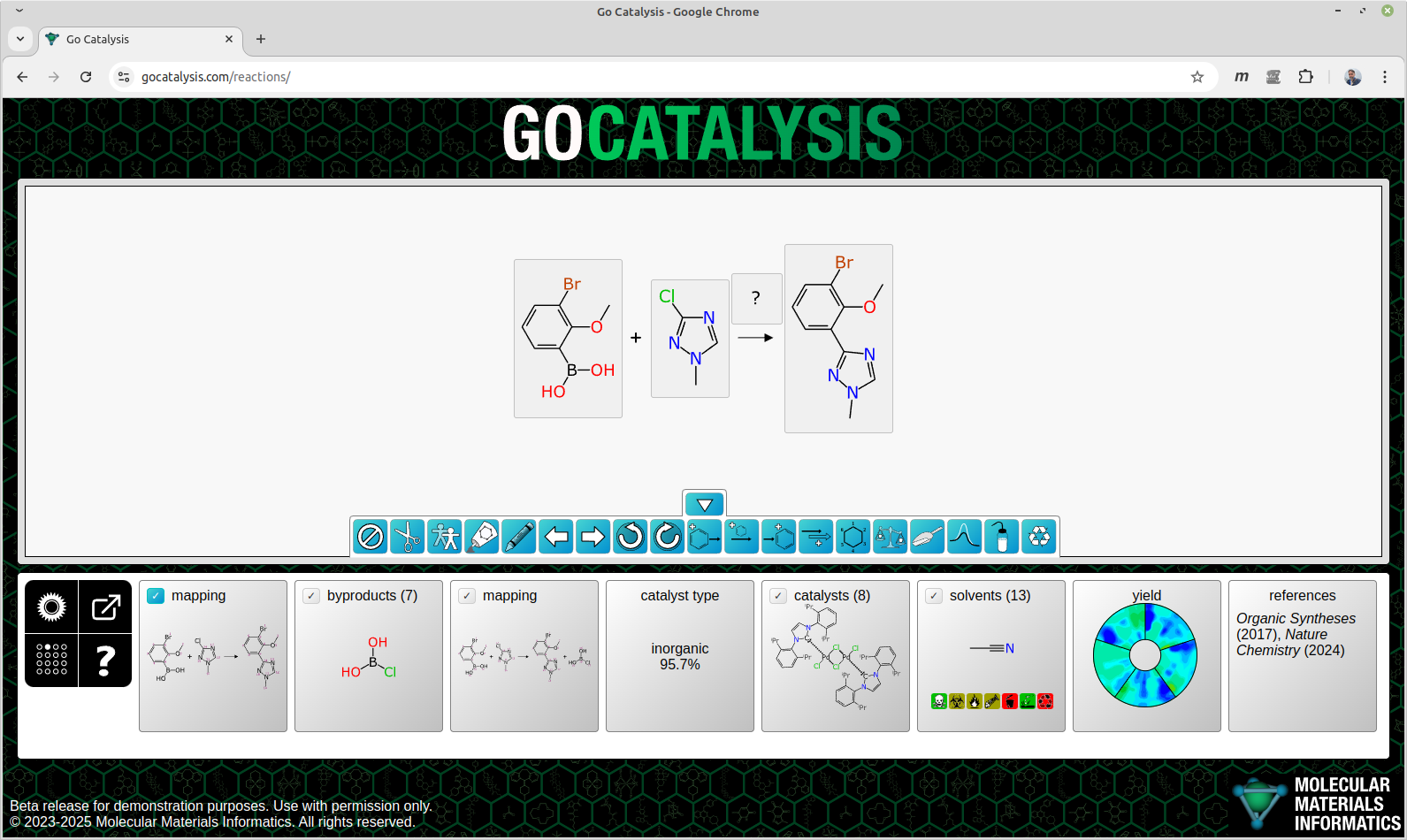
This is the first article in a series about chemical reaction prediction, in particular a work-in-progress site that combines a number of original tools for designing reactions. The general idea is that you start with an incomplete reaction scheme, and the models and algorithms will guide you toward filling out the rest, so you end up with a useful starting point for an actual experiment.
Continue readingWebMolKit 2.0 on GitHub and NPM
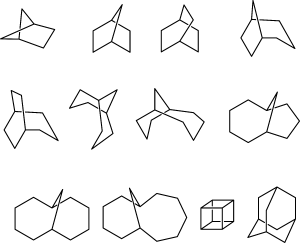
A new branch of the WebMolKit open source library for cheminformatics on JavaScript platforms is now available. The most noticeable change is a major source code refactor to use the modern import framework (ES6 modules), publishing with NPM, and also some new functionality such as resolving bond line crossings using a pseudo-embedding algorithm.
Continue reading Cheminformatics 2.0