ACS time is sneaking up on us, as it tends to do: in about 2 months from now – August 2018 – a large proportion of the world’s chemistry community will be converting in Boston, including myself. This particular city is probably my favourite venue, simply by virtue of being such a massive hub for various forms of chemistry and derived industries, such as small molecule drug discovery.
My presentation will be on the Wednesday:
| Paper ID | 2972556 / CINF 150 |
|---|---|
| Title | Bringing assay protocols into the age of informatics |
| Session | Drug Discovery: Cheminformatic Approaches |
| Section | Division of Chemical Information |
| Time | 1:30pm, Wednesday 22 August 2018 |
As for the last couple of meetings, I will be presenting aspects of the BioAssay Express project, on behalf of Collaborative Drug Discovery. Our team has been quietly expanding in numbers and working hard making the product more powerful and more polished, so there are lots of new features to talk about!
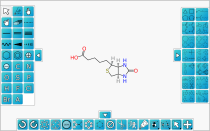 The interactive sketcher feature in
  Last week I had the pleasure of representing Collaborative Drug Discovery at the BioIT World Hackathon, themed around FAIR data principles.
 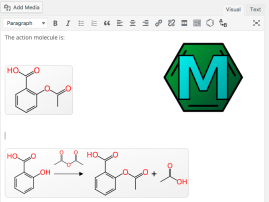 After a bit of inattention, the
 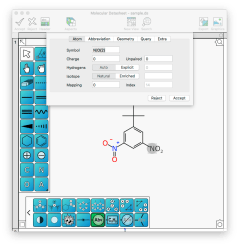 The most recent version of
 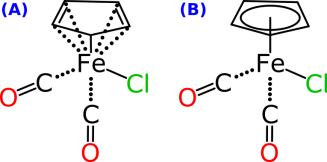 Cheminformatics for inorganic/organometallic compounds is the perennial afterthought that oft appears in the future work section, but never seems to get implemented: exotic bond types can be drawn in a way that is pleasing to other inorganic chemists but meaningless to computers, or in some cases vice versa, but never both. This article explores an approach to achieving such harmony.
 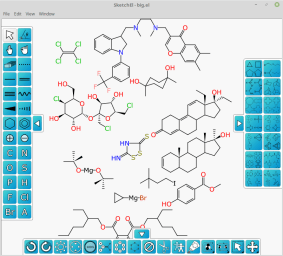 This is rare post that is not directly related to chemistry or informatics, even though the screenshot to the right suggests otherwise. Probably the most exciting trends in software is that the web runtime has finally matured into a development target that is somewhat on par with native options, and that is a huge breakthrough for people who want to code up their product just once. I’m going to describe some of the getting started issues & gotchas that I went through with getting SketchEl2 to work using Electron, TypeScript and Visual Studio Code.
 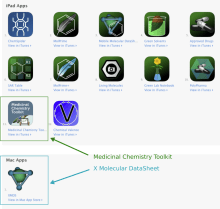 In the last couple of weeks, two new items appeared on the iTunes AppStore under the
  Cheminformatics 2.0